Joseph Squillace
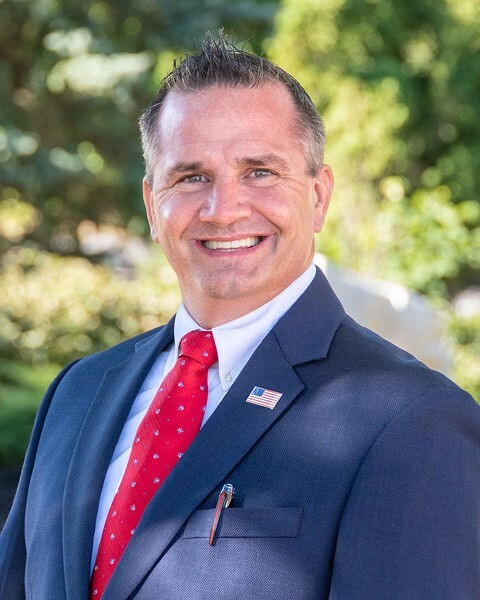
Joseph Squillace 01/01
Joseph Squillace, Ph.D., is an Assistant Teaching Professor of Cybersecurity at Penn State Schuylkill. Joseph received his Ph.D. in Information Systems (DISS) with a concentration in Information Security from the College of Engineering and Computing at Nova Southeastern University (NSU). Joseph’s research interests include Cyberbullying, Cybersecurity, Privacy, Threat Intelligence, Cyberterrorism, Critical Infrastructure, Disaster Recovery, Cybersecurity in Artificial Intelligence (AI), Secure Supply Chain, Data Integrity, and Economics of Information Security and Privacy Breaches. Joseph has previously published scholarly research in Cybersecurity, Artificial Intelligence, Privacy, Information Systems, Computer Science, the Internet of Things (IoT), and Climate Change domains.
Dr. Joseph Squillace’s area of research expertise is within the Computer Science domain. His Technology-based research has used qualitative, quantitative, and mixed methodology models, varied statistical analysis methods, and focused primarily on the advancement of new model artifacts and pedagogical-based education/training using novel theoretical approaches. His research stream spans a variety of domains, including foundational interest in Cybersecurity Education, Information and Behavioral Sciences, Criminal Justice, Sociology, and User Behavior. With direct expertise in Information Security (InfoSec), Dr. Squillace has had academic publications in peer-reviewed journal articles, and academic presentations examining specialized areas within security, including Cyberbullying, Cybersecurity Education and Pedagogy, Cybersecurity Psychology, Privacy, Ethical Actions, User Behavior (Theory), Corporate Compliance and Governance, Security Education, Training, and Awareness (SETA), Economics of Security Breach Events, eWaste, and Green Computing(sustainability). Dr. Squillace is also a Distinguished Academic Research Fellow at CyberWatch and the National Cyber Science and Practice Symposium Program Committee Chair for National CyberWatch.